Insulation Mold Removal in Hanover Park, IL
Moldy insulation is removed from your attic, walls and crawl space in Hanover Park. Call 24/7 to start your assessment and cleanup.
- Moisture source checked first
- Contained insulation removal
- Dry cavity before replacement
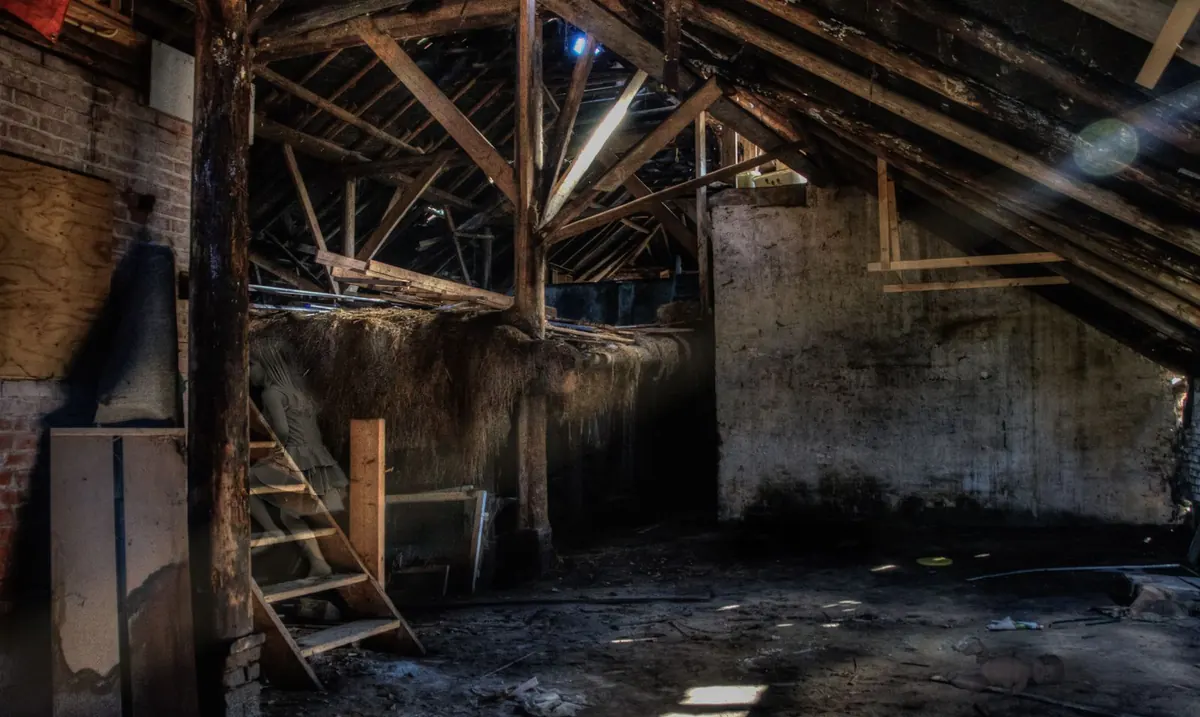
Mold Removal Services for Insulation in Hanover Park
Your cleanup covers affected fiberglass insulation, cellulose insulation and paper-faced batts. Damaged material is removed so concealed framing and cavities can be cleaned and dried.
Attic insulation below a roof leak, wet insulation in walls and sagging crawl space insulation need different access plans. Your assessment maps affected materials and hidden moisture before tear out.
Your written work scope sets out containment, removal, disposal of insulation and cleaning inside cavities. Any needed leak repairs or replacement insulation are listed separately.
- Removal of Affected Loose Fill and Batt Insulation
- Wall and ceiling cavity access
- Contained debris removal with HEPA filtration
- Moisture Checks Alongside Exposed Framing Cleanup
- Drying before replacement of materials
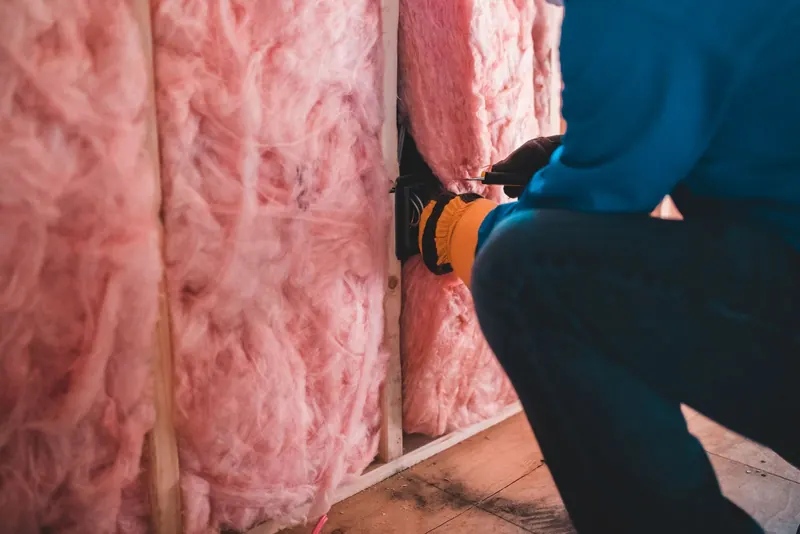
Moldy Insulation Removal: Signs to Watch for in Hanover Park
Recurring smells, damp batts and visible growth can point to concealed moisture.
Mold in Insulation Behind Drywall
During repairs, wet material may appear alongside softened drywall or peeling paint.
Sagging Crawl Space Insulation
You may see batts suspended below floor joists alongside moisture from condensation or leaks.
Near a Roof Leak: Mold on Insulation
Damp attic insulation may occur alongside wood patches and water stains nearby.
Mold in Ceiling Insulation
The visible opening may not show the full extent of growth uncovered above a ceiling stain.
Matted Blown-In Insulation
Wet loose fill that has compressed may show where water traveled under an otherwise dry surface.
Insulation Cleanup Services Across Chicagoland
Your job moves from assessment through removal, cleaning, drying and verification.
Assess Insulation and Access
Assessment covers insulation depth and access. A moisture meter checks surrounding materials; a thermal imaging camera locates temperature patterns but does not identify mold.
Identify Moisture and Set the Work Scope
Leaks and condensation are investigated. Plans establish moisture corrections and removal limits, along with separate repairs, before starting work.
Contain the Insulation Work Area
A containment barrier made from poly sheeting surrounds the work zone. Protective equipment, negative air pressure and a HEPA air scrubber support particle control during removal.
Remove Affected Insulation
Moldy loose fill and batts come out inside containment, and drywall openings are made as needed. Debris is sealed before leaving the work zone.
Clean Exposed Surfaces
Cleaning covers accessible non-porous surfaces and sound framing. A HEPA vacuum clears dust, while antimicrobial treatment leaves the need for cleaning and removal unchanged.
Dry the Open Cavity
A dehumidifier and air movers support drying after cleaning. Progress is monitored through moisture readings while corrections address the water source.
Verify Before Closing
The post-remediation check includes agreed post-remediation verification plus checks on drying and cleanliness. Specified clearance testing is carried out by an independent assessor. Before new materials close the cavity, containment is removed following final checks.
Why Choose Chicago Mold Removal Services for Insulation Mold Removal
Removal Through Final Checks
Affected insulation comes out, and cleaning then drying address exposed framing; containment removal follows the final checks.
Clear Scope and Contained Work
Containment and HEPA filtration cover the affected area, while your scope establishes removal and separate repairs ahead of work.
Insulation Moisture First
Damp areas beneath batts and loose fill are traced in your assessment ahead of removal.
Calls Answered 24/7
You can begin insulation cleanup throughout the metro with one number, even on nights and weekends.
Preparing for Insulation Cleanup in DuPage County
Keep damaged insulation in place without disturbing it. Call to book your assessment.
- Avoid unsafe access. Do not enter confined crawl spaces or attics where you lack a safe walking surface.
- Keep people and pets away. Restrict entry around uncovered moldy materials.
- Keep Batts and Loose Fill Undisturbed. Pulling at insulation risks spreading mold spores along with fibers.
- Avoid blowing into cavities. Keep fans from blowing at mold, and leave HVAC equipment off if contamination is suspected.
- Limit fresh water damage. EPA advises drying water-damaged areas and items within 24 to 48 hours to prevent mold growth.
Mold Removal Cost for Insulation in Hanover Park
Related attic prices do not give you a cost for removing insulation alone. How much insulation comes out, access and cavity damage determine your price. Check whether the job total already includes disposal and replacement before adding any card figures together.
New insulation following removal of the old material
$1 to $7 for each square footSource: PushLeads, Attic Mold Removal Cost (cites BUK Restoration and Angi) (checked 2026-10-23)Disposal of contaminated materials
$75 to $120 per loadSource: PushLeads, Attic Mold Removal Cost (cites BUK Restoration and Angi) (checked 2026-10-23)Factors Affecting Insulation Cleanup Cost in Hanover Park
- Attic and Wall Access, or Crawl Space Access
- Framing cleaning and drying
- Batts versus blown-in material
- Separate Leak Repair Alongside Insulation Replacement
- Depth of Insulation and Affected Square Footage
- Drywall removal and containment
Your Insulation Cleanup Price
These published national ranges are planning figures. Your on-site assessment defines the work and price before cleanup starts, including any separate source repairs or rebuilding.
Call (844) 352-3560 about costInsulation Mold Removal Service Area Across Chicagoland
Call (844) 352-3560 to arrange cleanup in Hanover Park or nearby communities. One number covers the metro.
Insulation Mold Removal in Locations Near Hanover Park
ZIP codes
Common Questions About Insulation Mold Removal in Hanover Park
Will you need to remove all your insulation?
A problem in one spot does not necessarily mean stripping insulation from your entire attic or walls. Assessment identifies affected insulation, surrounding damp materials and inaccessible areas. Those results determine removal. Cleaning and drying often allow sound framing to remain; removal addresses damaged insulation and cavity finishes as required.
Is staying home possible during insulation removal?
Staying may be possible if the rooms you occupy are separated from both the work area and debris path. Your household's needs, shared ventilation, wall openings and the attic hatch location influence that choice. Before removal starts, limits on access are set. Some jobs require a temporary move while containment, cleaning and drying are underway.
Will mold return after insulation is replaced?
Mold may recur when leaks or condensation are left unresolved. Before removal, your assessment locates the moisture source; replacement waits until exposed surfaces have been cleaned and dried. Neither trapped moisture nor a roof leak is corrected by mold resistant insulation. Installation of new material follows necessary moisture corrections and cleaning and drying of the cavity.
Does the work include leak repairs and new insulation?
Moisture problems are identified during assessment, with corrections defined alongside cleanup. Roof repairs, plumbing work, ventilation changes and new insulation are included only when listed in your scope. Work treated separately is identified before starting. New batts or loose fill go in after cleaning, drying and final checks to avoid concealing framing that remains damp.
Should testing take place before removal or after the work?
According to EPA guidance, visible mold often makes air sampling unnecessary. Affected insulation and adjacent materials are established through inspection plus checks for moisture. After material comes out, drying and cleanliness undergo checks before the containment is removed. Use an independent assessor for clearance testing when required by the scope. Federal limits have not been set for indoor mold levels.
What insulation cleanup cost should you expect in DuPage County?
Your price depends on insulation volume, access and the condition of the surfaces underneath. Different units appear in the cost cards for related attic work, new insulation and disposal. They do not constitute an insulation-only price quote. Your assessment establishes the removal boundary and separates cleanup from replacement or other repairs before work starts.
How much time should you allow for insulation cleanup in Hanover Park?
Access and the removal area shape your schedule. Shallow attic batts involve different work from deep loose fill or closed wall cavities. Before replacement, damp framing must dry. Repairs to the source, final checks and moisture readings set the point for job completion.
Illinois Insurance and Insulation Cleanup
Your homeowners insurance decision rests on the source of moisture, deductible, exclusions and limits for mold. Coverage can differ between replacement, cleanup and repairs to the source.
Safe Insulation Cleanup in Chicagoland
Containment and controlled access limit particle spread while insulation is disturbed.
Sensitive Occupants
According to CDC, some people may experience allergy and asthma symptoms triggered by mold.
Concealed Moisture
Dryness at the edge of insulation does not reveal conditions next to framing.
Black Mold in Insulation
CDC says color does not tell you how risky a mold is.
Insulation Dust
HEPA filtration aids dust control while cavities are cleaned and material is removed.
Cleanup scope: EPA says you can often clean areas under about 10 square feet yourself; that guidance does not mean you should wash insulation. Professional help is needed with HVAC systems, contaminated water or larger affected areas.
Your Insulation and Cavity Materials in DuPage County
Your affected insulation comes out. Exposed framing that remains sound can often stay after cleaning.
Batts and loose fill
- Moldy cellulose and fiberglass come out during removal in the affected area.
Framing and cavity finishes
- Damaged drywall may have to come out, while sound wood undergoes cleaning and drying.
Replacement insulation
- Batts, spray foam insulation or loose fill are selected to match the assembly during replacement. Before installation begins, insulation baffles, R-value and vapor barrier details are addressed.
DuPage County Insulation Cleanup: Time Considerations
Drying, access, the volume removed and repairs after remediation all affect your timeline.
- Accessible attic batts: Hatch dimensions and the path debris takes affect the time needed for removal.
- Closed wall or ceiling: Opening cavities and uncovering concealed damage may mean additional work for your project.
- Damp Framing or Deeply Placed Loose Fill: Moisture readings establish when replacement can proceed, while the amount of material affects removal.
Humidity and Insulation Odor in Hanover Park
Checking cavities and moisture helps investigate your musty odor. Adding fragrance leaves the source unresolved.
For indoor relative humidity, EPA recommends an ideal range of 30 to 50 percent and a ceiling below 60 percent. This guidance does not set a clearance goal for your attic framing.
Insulation Work Requirements in Illinois
Insulation Work Requirements
Illinois does not currently require mold remediation professionals to hold a state license. A Mold Remediation Registration Act (Public Act 103-0893) has passed, but the Illinois Department of Public Health says registration is not required until it finishes its rulemaking, so check its page for updates. If you are hiring someone, ask about their training and experience, and check your local contractor rules.
Repair Permits
Requirements for permits follow the building work, structural work or electrical work included.
Rental Properties
Renters should report leaks and visible mold to the property owner in writing and keep a copy.
State Mold Information
The Illinois Department of Public Health Toxicology Program answers mold questions mostly by phone and email ([email protected]) and posts mold fact sheets, FAQs, and exposure tips. Onsite visits are limited to special cases.
State guidance: IDPH: Mold Remediation Registration; IDPH: Indoor Air Quality and Healthy Homes
Related Services and Next Steps
Start Your Insulation Mold Removal in Hanover Park
Call 24/7 to arrange your assessment. Your cleanup starts with the affected surfaces, moisture source and access to your home.